
From 2D Drawings to Buildable Reality: Solid Setout Case Study
We spoke to Aaron Herbert from Solid Setout to talk about how they use TopSolid’Wood.
Overview
Solid Setout run by Aaron Herbert is a contracting drafting business operating since 2023.
The business focuses on supporting joinery companies and builders taking 2D architectural drawings and converting them into detailed 3D models ready for manufacturing.
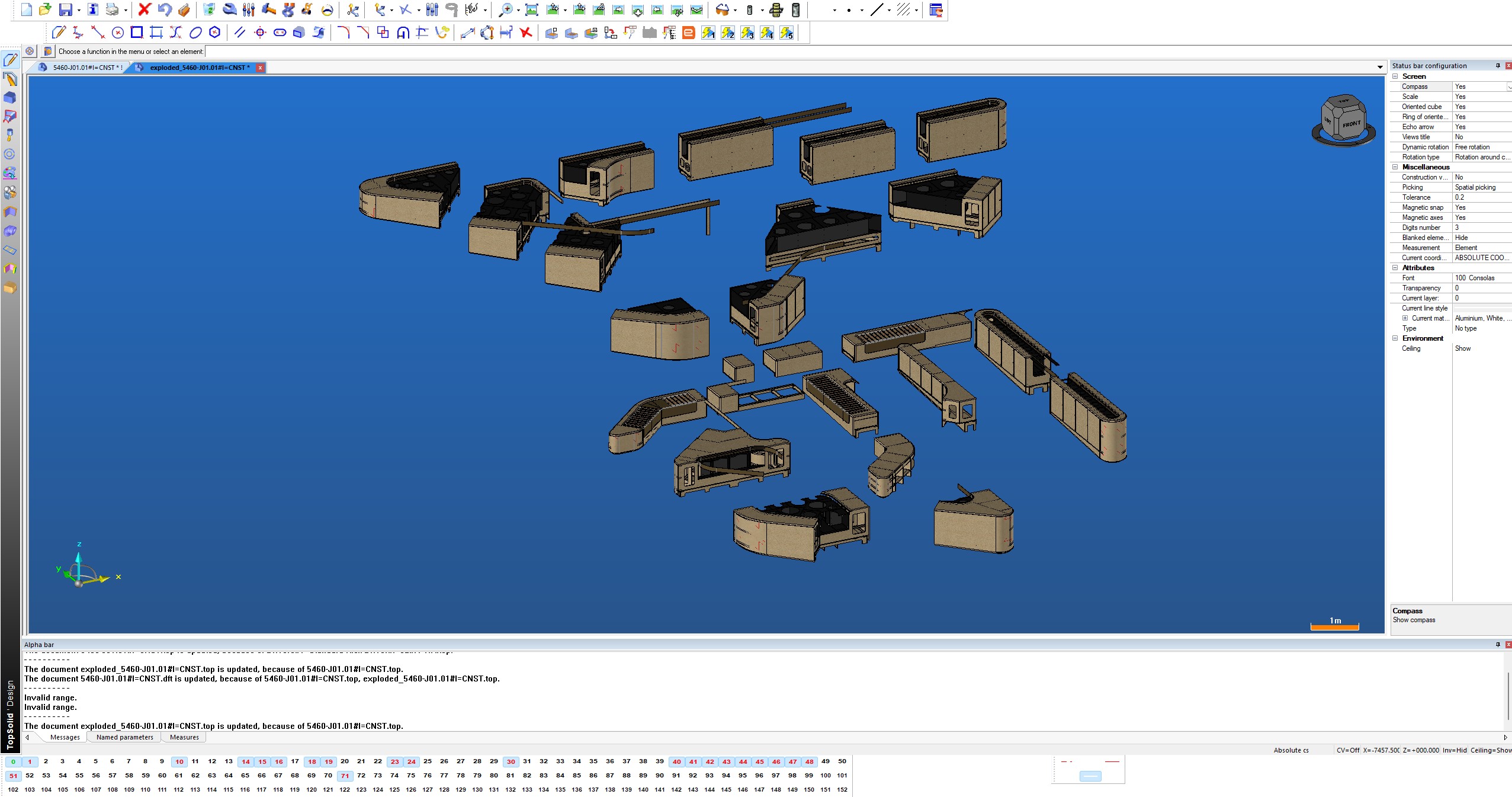
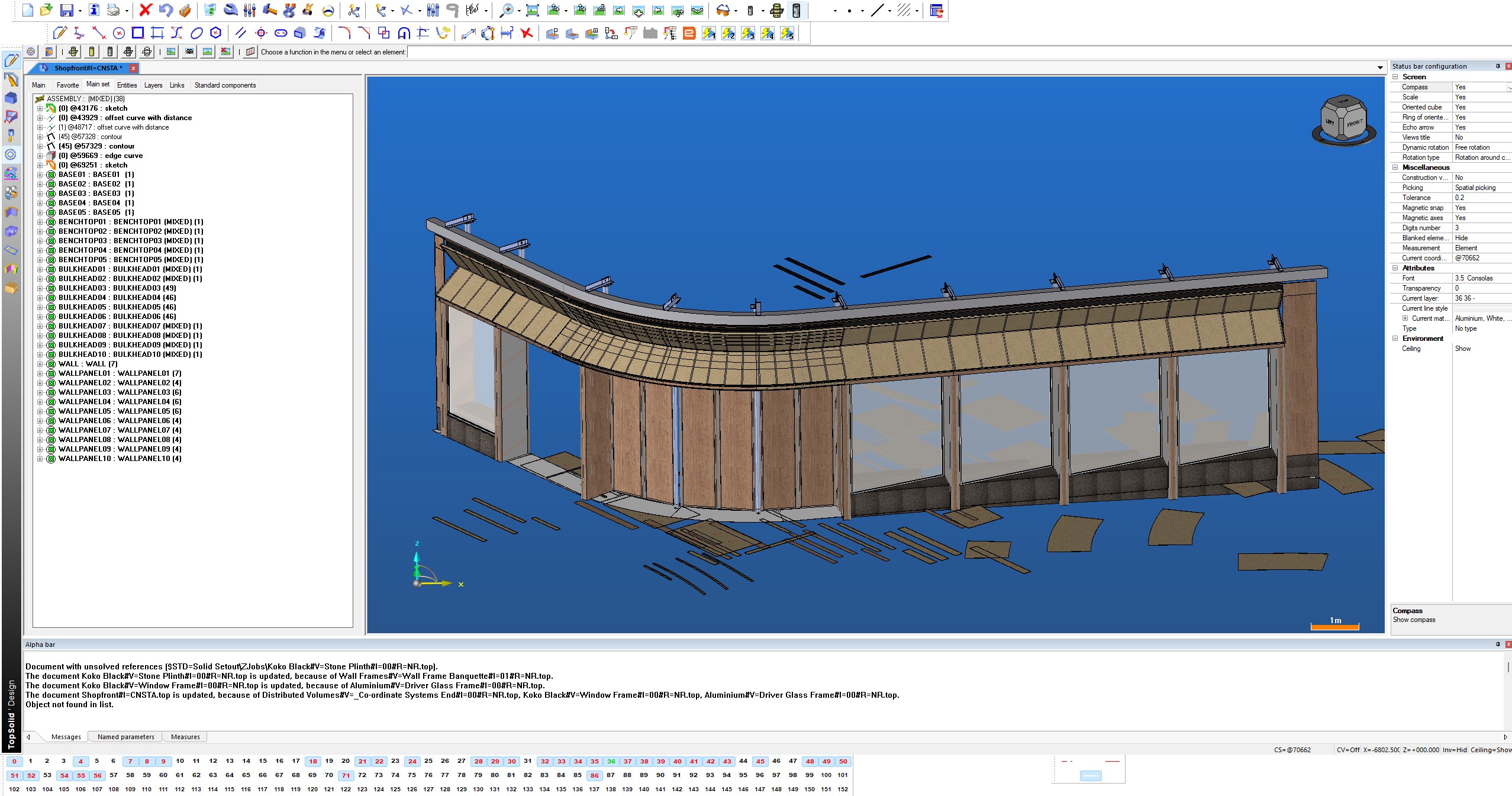
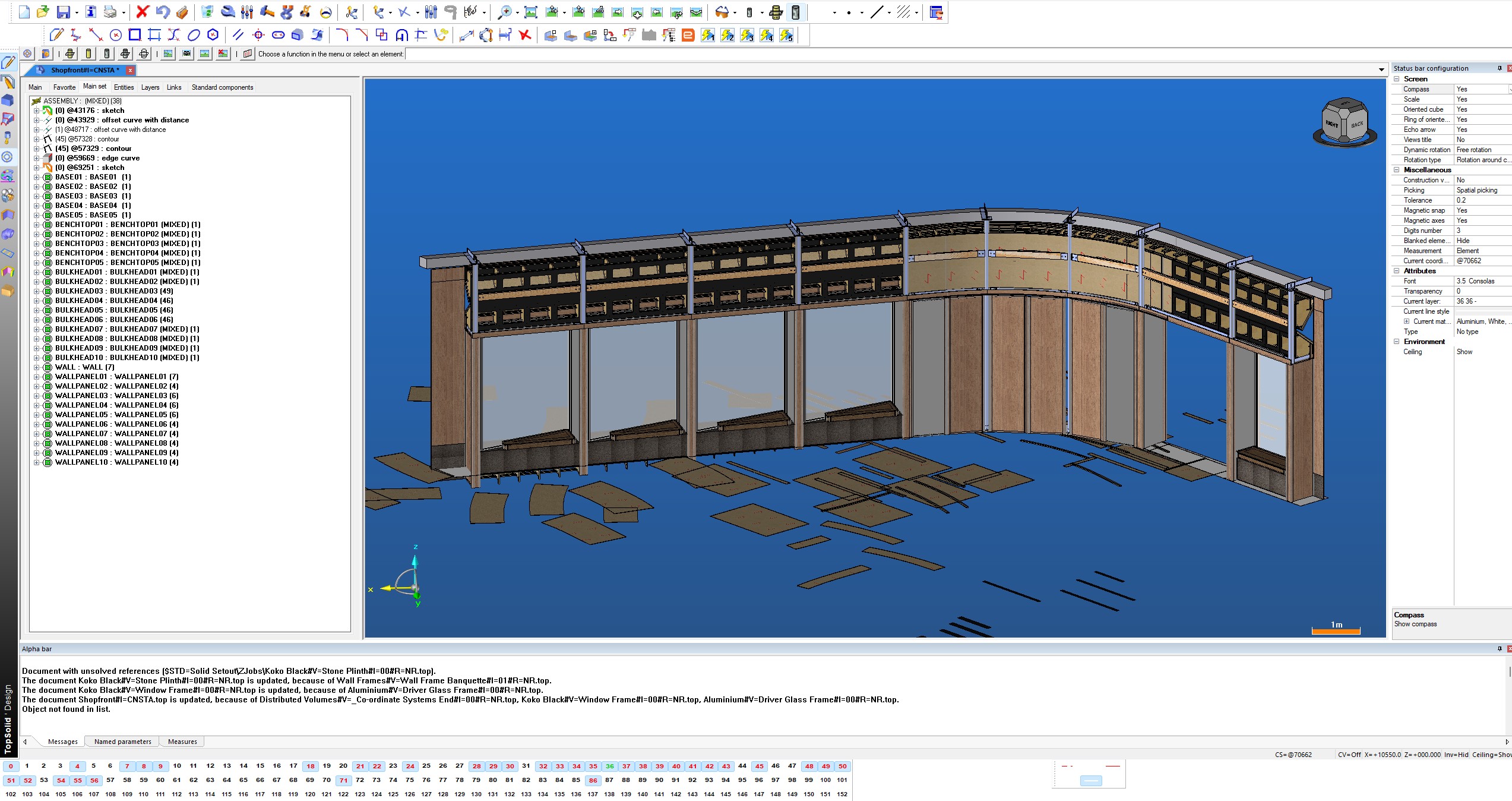
Working closely with the project manager, Solid Setout builds each project in TopSolid’Wood, developing a complete 3D representation that is then exported into machine-ready formats for CNC production.
Working Between Design and Manufacturing
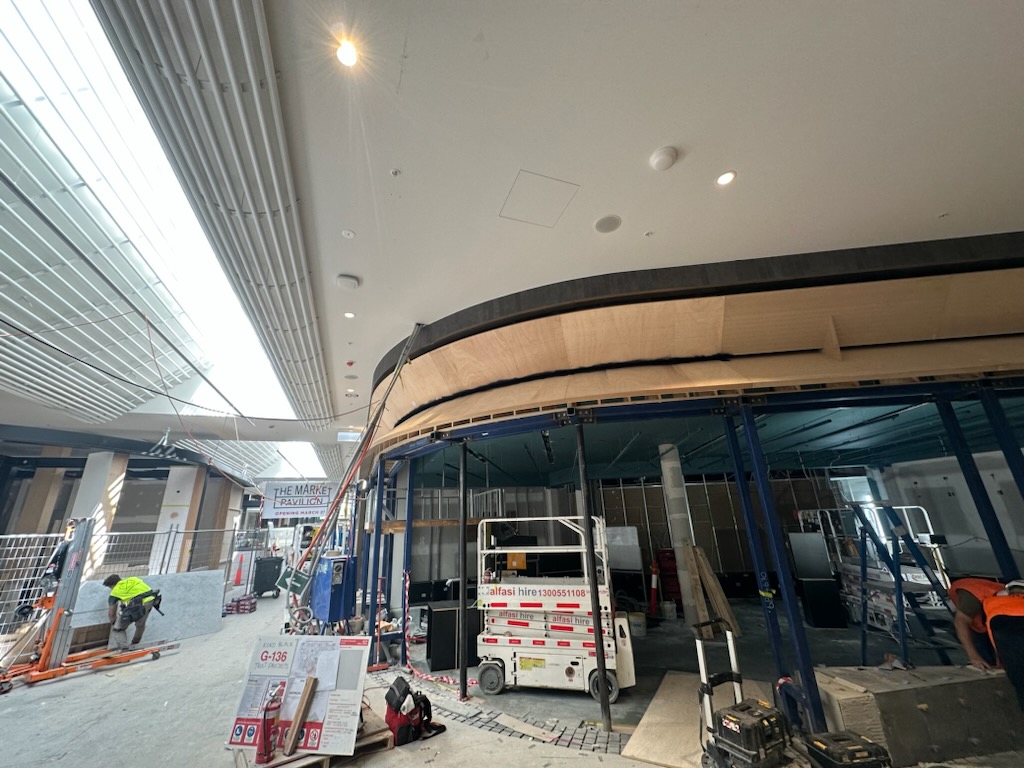
Solid Setout’s role is helping to relieve joinery companies during those busy periods, interpreting architectural drawings and ensuring they are practical, accurate, and ready to be built.
A key part of this process is validation. By designing the job in TopSolid’Wood, he is able to identify issues that may not be visible in 2D drawings before anything reaches the machine.
This step is particularly important in custom joinery work, where small inconsistencies can lead to costly errors once production begins.
Custom Work and Complex Geometry
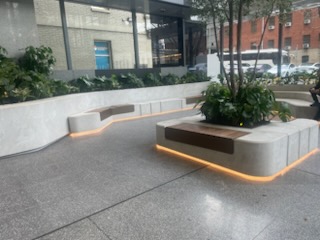
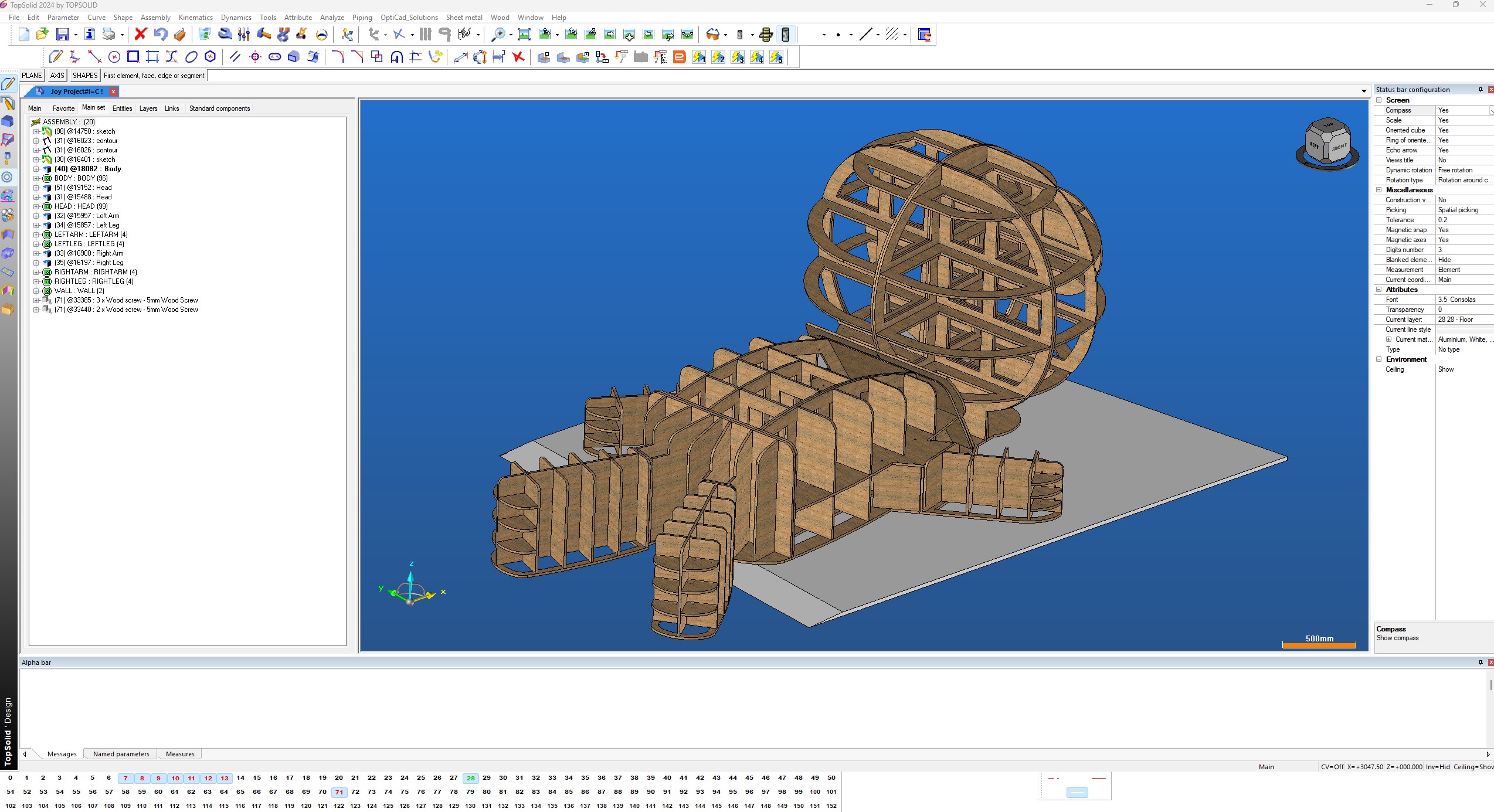
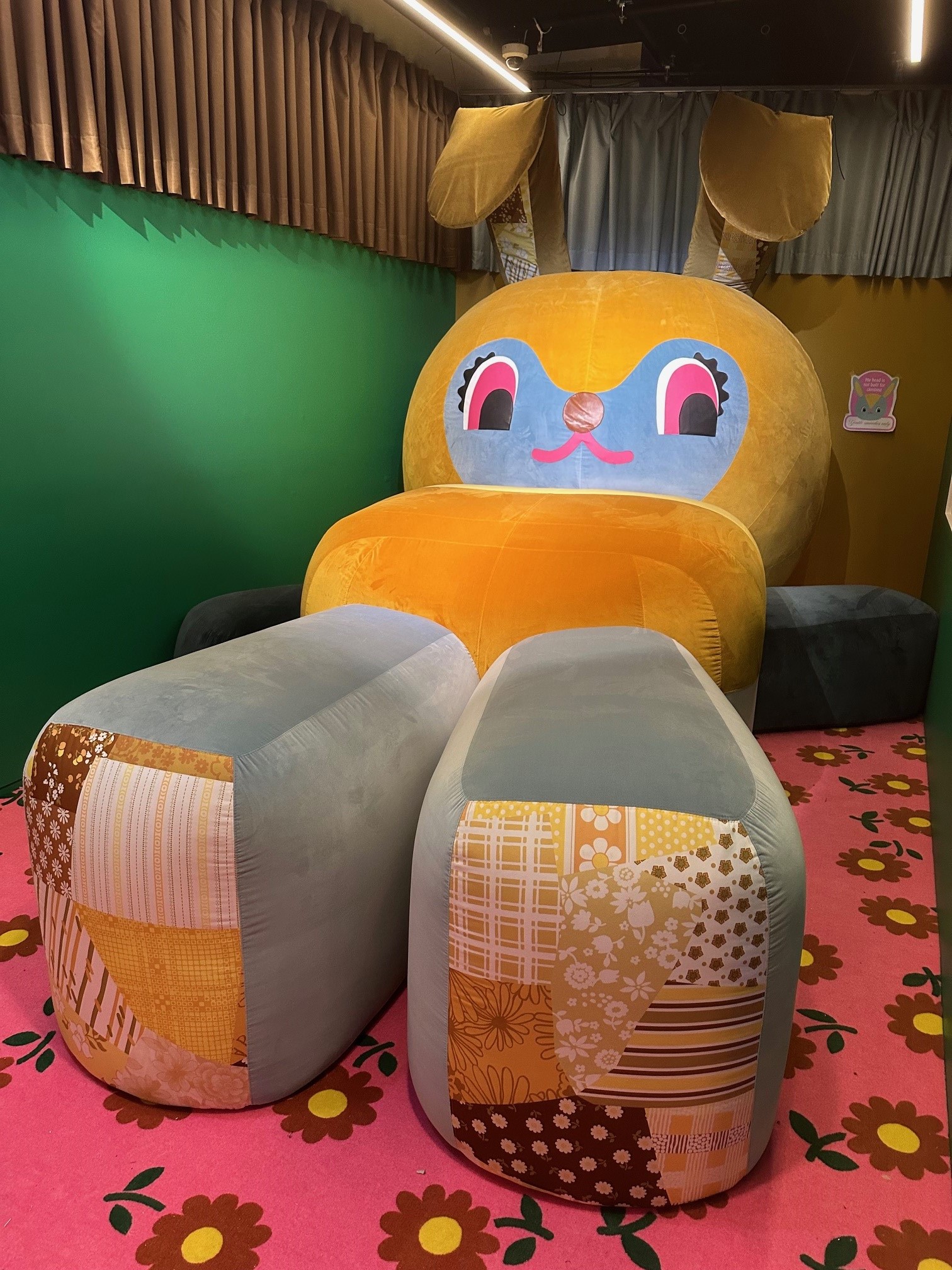
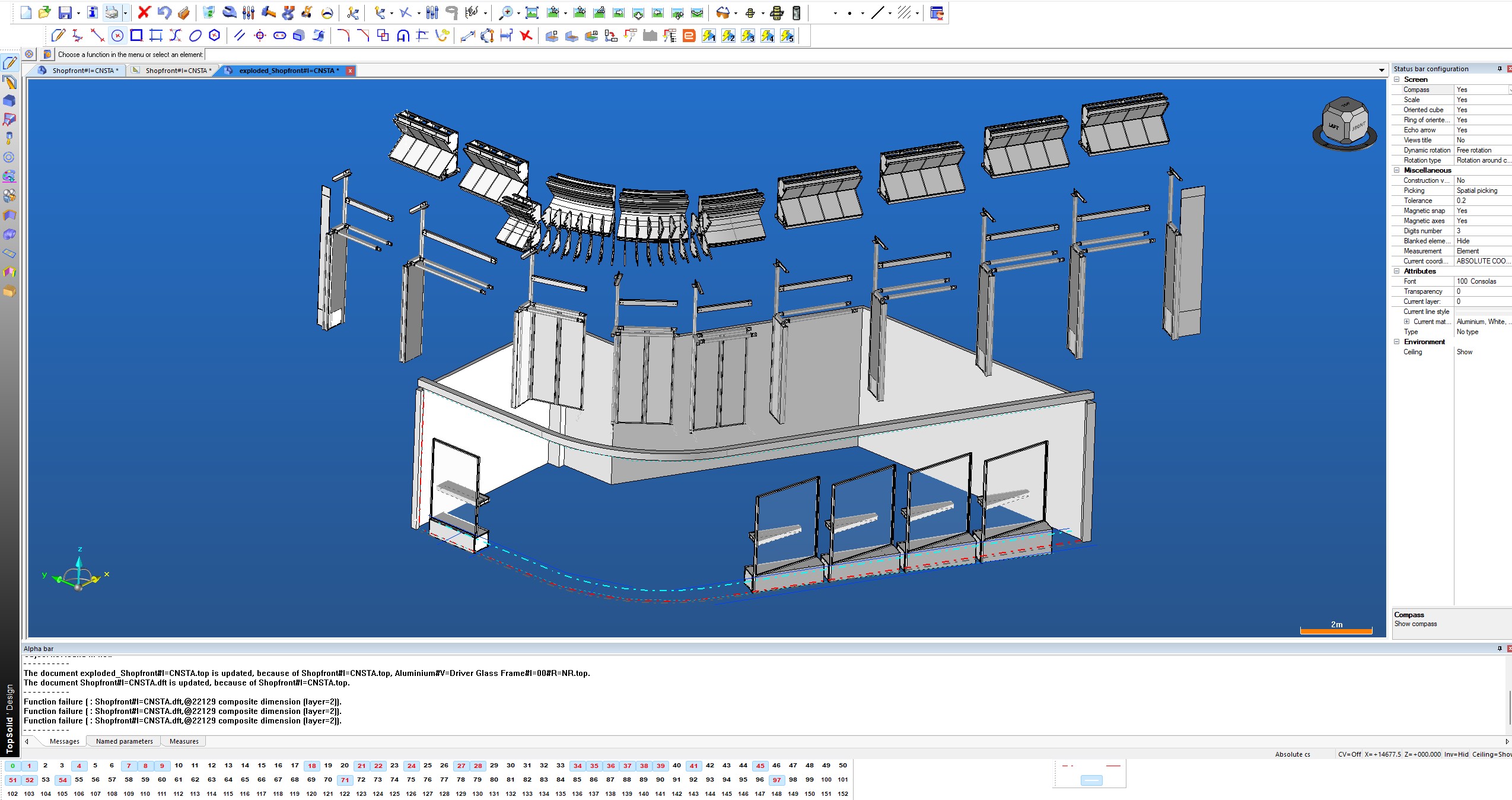
A large portion of Solid Setout’s work involves bespoke joinery, including curved elements and highly customised components.
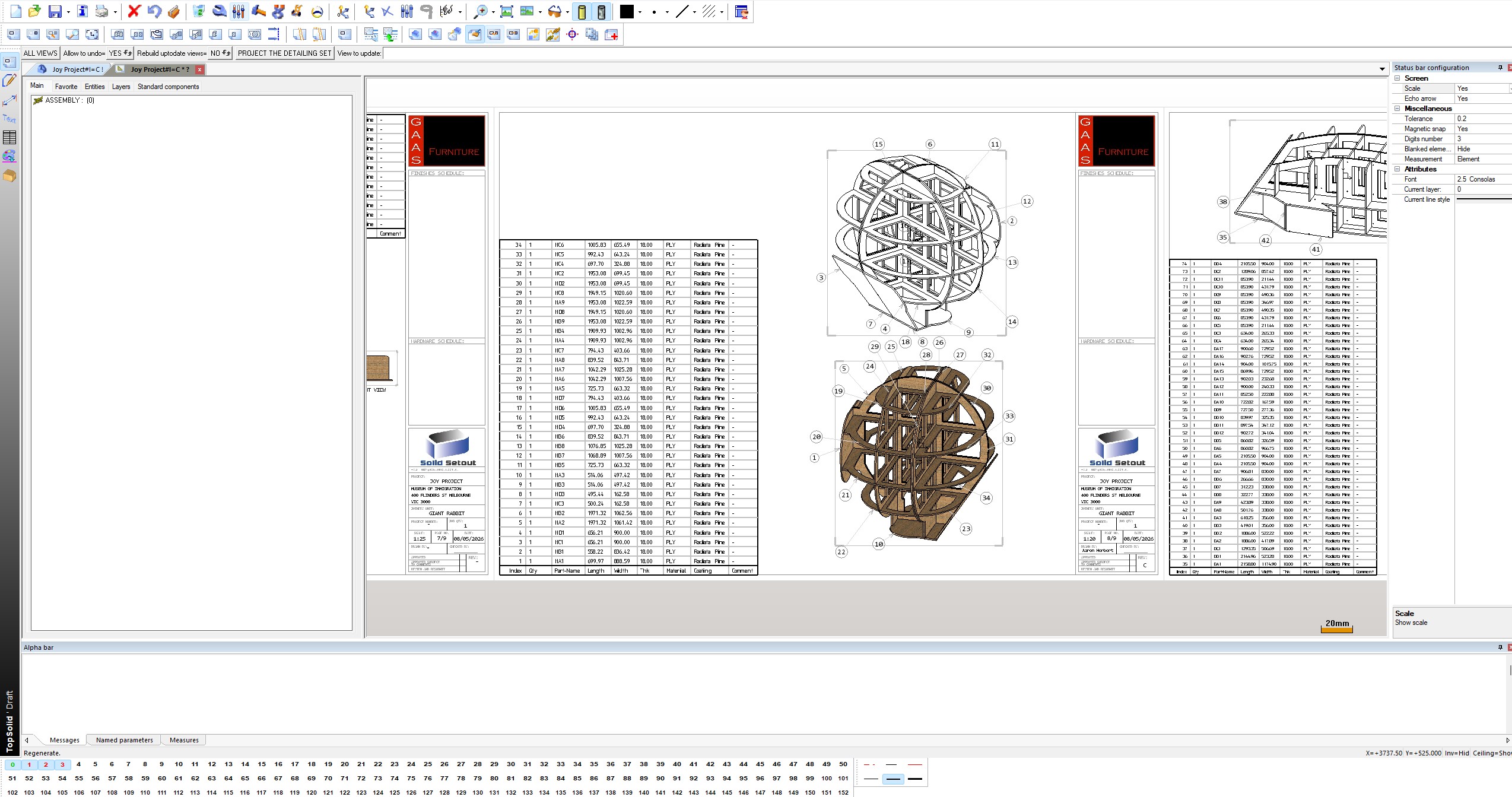
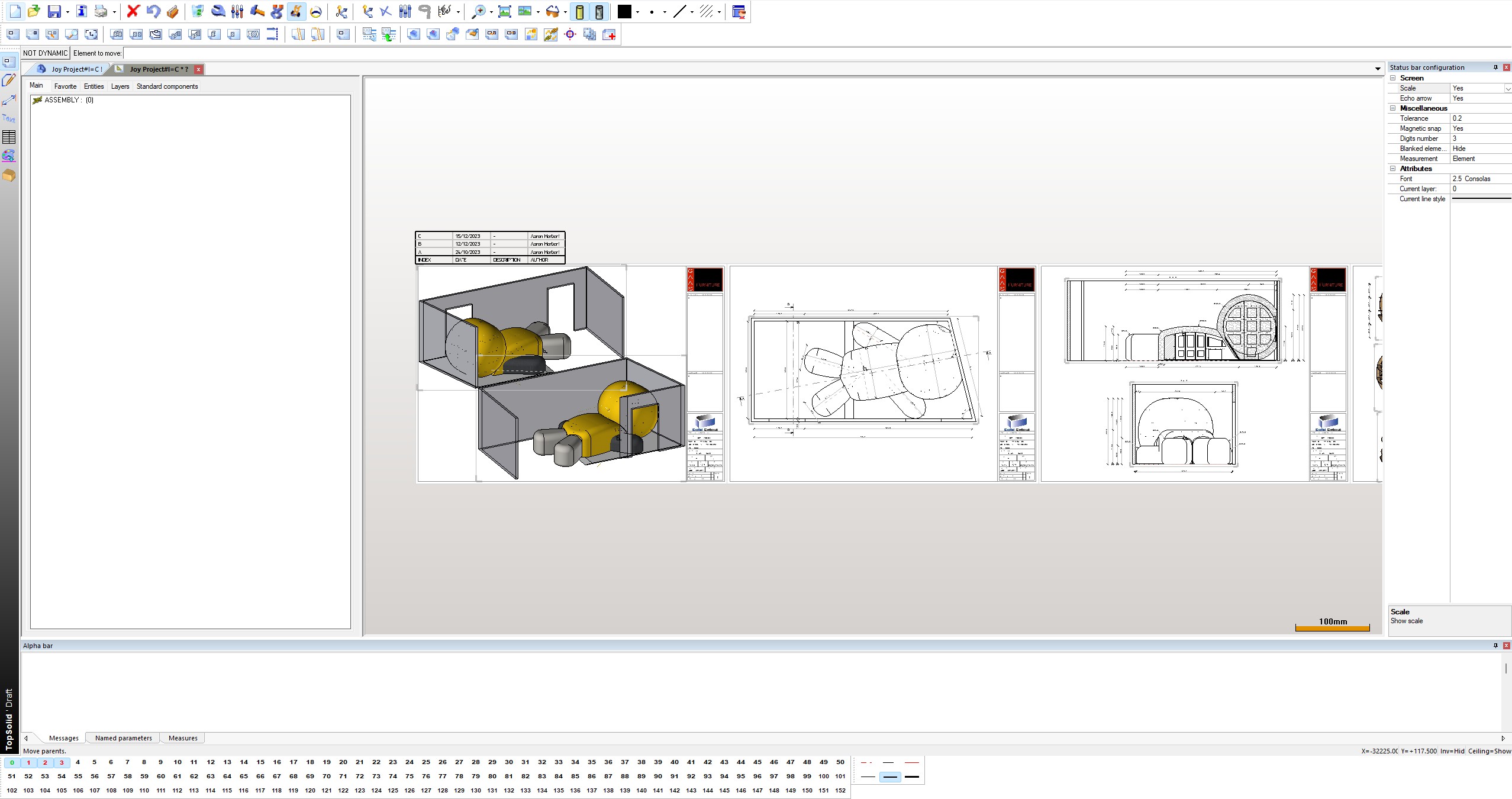
TopSolid’Wood allows Aaron to not only model these components but also define how they are manufactured, creating tools which are linked to the components and outputs that can be directly used in production.
This is especially important when working with highly bespoke designs, where traditional drawing methods just don’t work, TopSolid’Wood allows Solid Setout the tools and confidence that they can support the client with any design.
Parametric Libraries as a Core Workflow
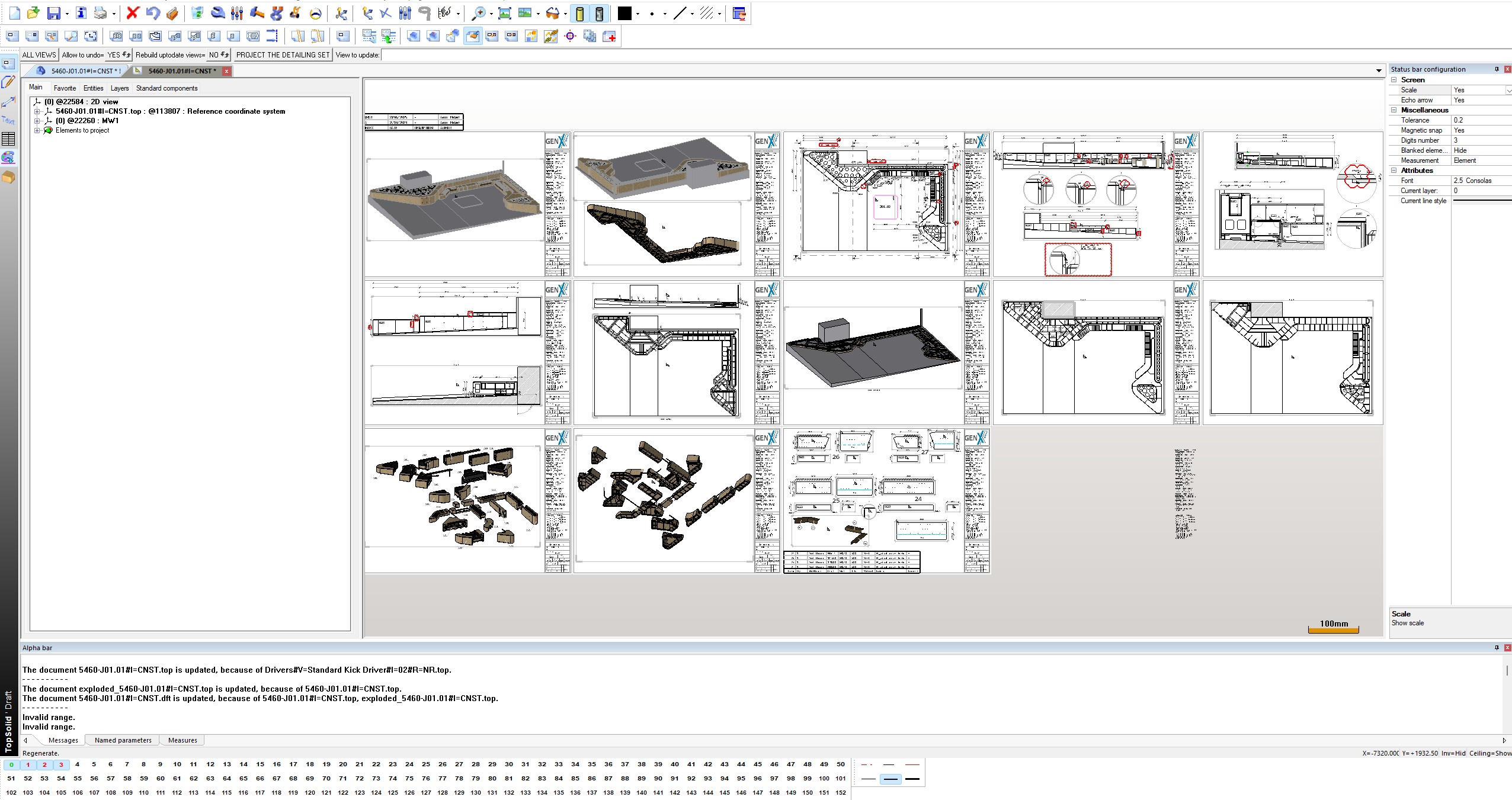
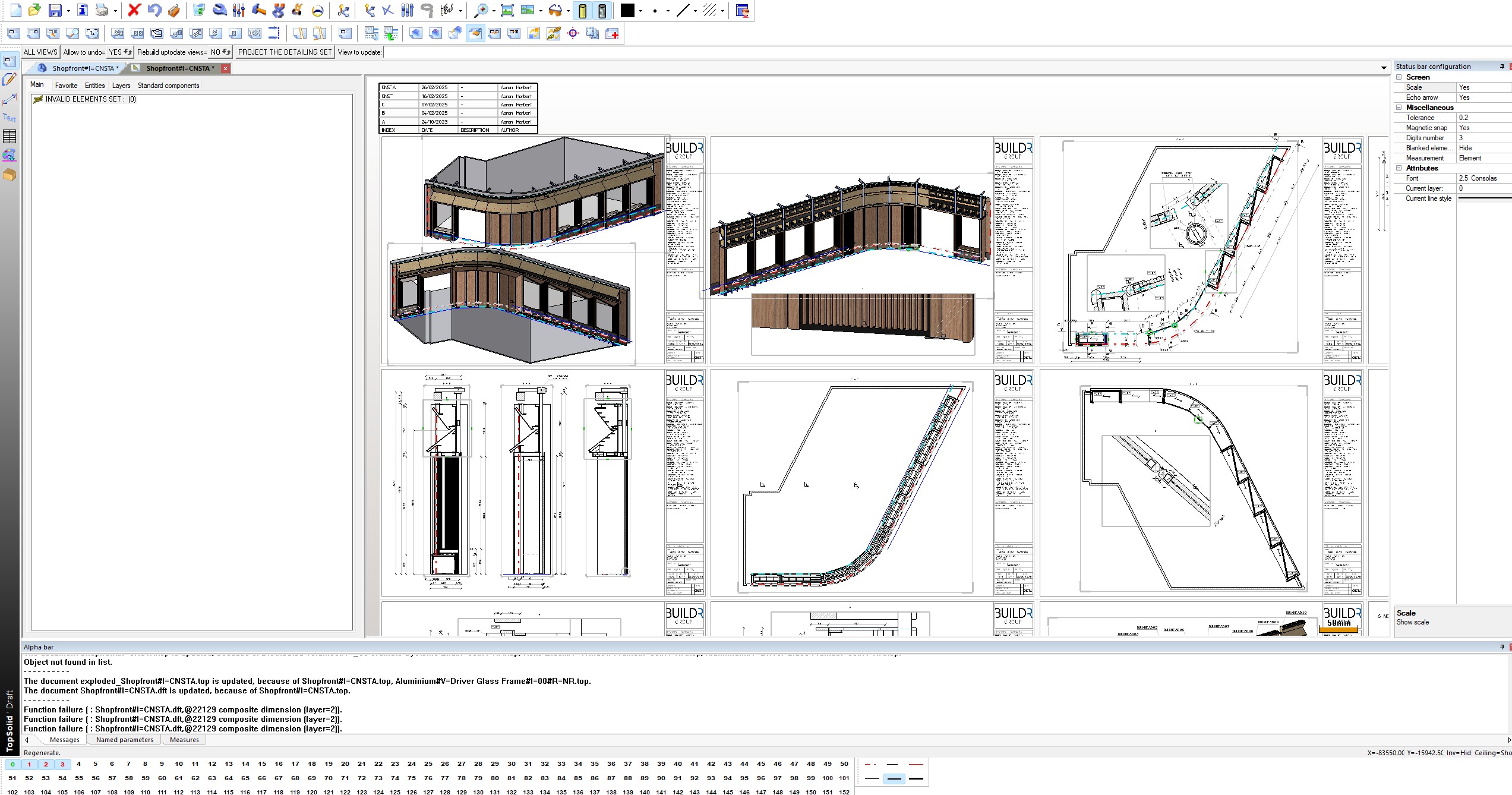
Having used TopSolid Wood since 2013, Aaron has built much of his workflow around parametric libraries.
TopSolid’Wood Parametric libraries allow him to store intelligent components such as cabinets, doors, and drawers that automatically adjust based on size, configuration, and material settings.
The impact is less about individual modelling speed and more about consistency across projects. Once a component is set up correctly, it can be reused and adapted without rebuilding from scratch each time, with TopSolid’Wood’s catalogue function allowing an easy dropdown selection for different variations.
Collaboration Through the TopSolid’Viewer
A key part of Solid Setout’s workflow is how he shares work with clients during the design phase.
The TopSolid’Viewer is part of the software and is available at no additional charge, allowing clients to open and inspect full 3D models on their own computer without needing a full software licence. This means both parties can review the exact same model in real time.
“Instead of relying on static drawings or screenshots, discussions happen around the actual model, which helps reduce misunderstandings and speeds up decision-making.
The ability to review work remotely has become particularly valuable. Clients can check details, raise questions, and provide feedback without needing to meet in person or navigate technical software.” Said Aaron Herbert owner of Solid Setout.
This shared visibility helps catch issues earlier and ensures both sides are aligned before anything moves into production.
Working with Opticad Solutions
As a small business, support has played an important role in Aaron’s experience with TopSolid’Wood.
In the early stages, moving into a parametric 3D workflow required a significant shift in approach. Having direct access to Opticad Solutions provided guidance through setup, training, and implementation.
“In the early days I needed a lot of guidance. They were always there to support me.”
Over time, this developed into an ongoing working relationship that he could rely on when dealing with complex projects or technical questions.
“They act like a co-worker in my business. When I need help, they’re always there.”
For Aaron & Solid Setout, that support structure has been particularly valuable as a small business managing both design and delivery.
A Critical Part of the Business
For Solid Setout, TopSolid Wood is central to the entire workflow.
It is used to convert architectural intent into buildable models, manage custom joinery, generate machine-ready outputs, and maintain consistency across complex projects.
Without TopSolid’Wood, the workflow would not be practical at the scale or level of customisation required in the business.
Summary
Solid Setout operates at the intersection of design and manufacturing, translating 2D architectural drawings into accurate 3D models ready for production.
Through the use of parametric libraries, custom modelling tools, and collaborative review via the viewer, Aaron is able to reduce errors, manage complexity, and deliver buildable outcomes efficiently. More about Solid Setout go to his website www.solidsetout.com.au